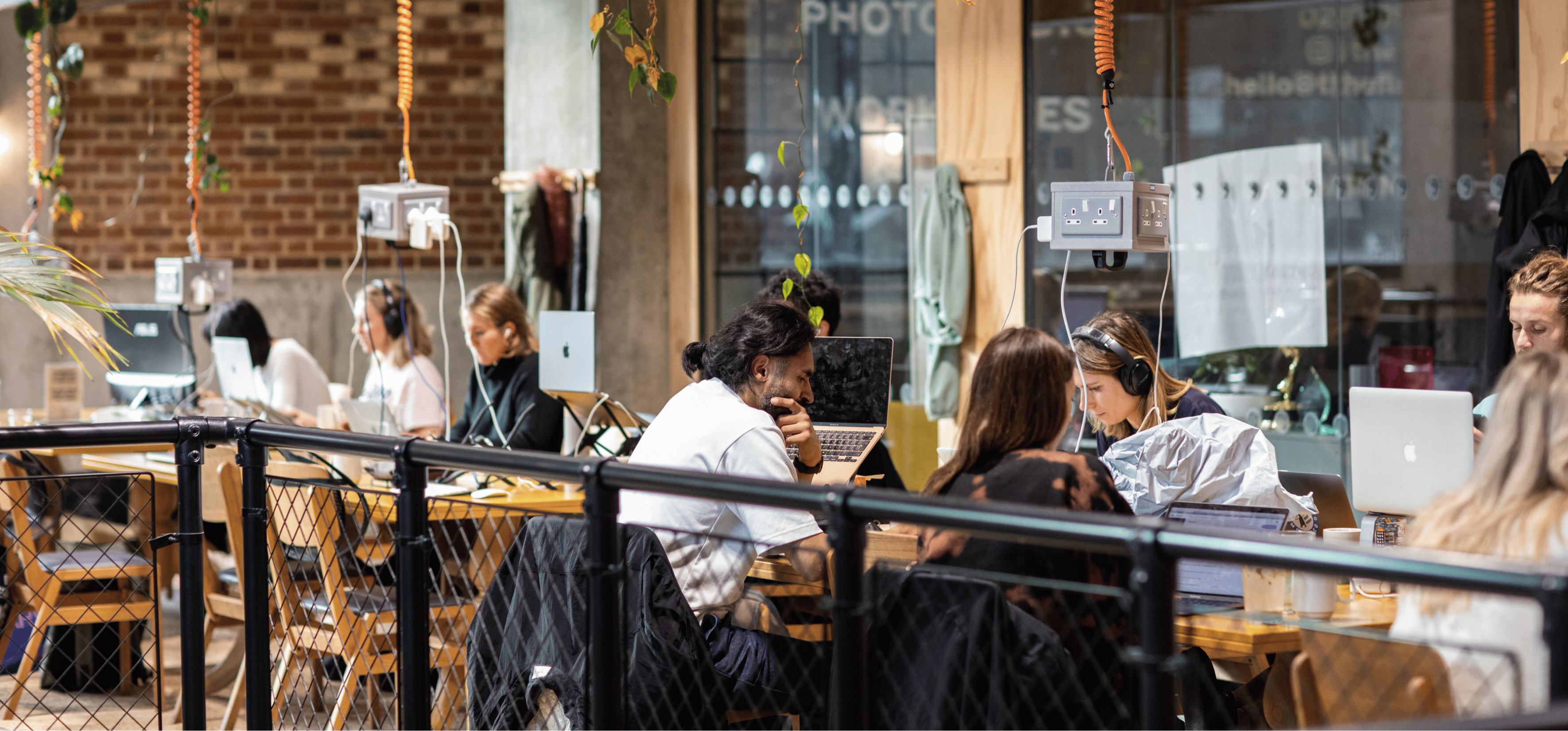
“Community” is possibly the most overused word in coworking. It sits on every website and in every Instagram feed mission statement, and usually next to a photo of a shared kitchen and a well-placed plant. It gets stretched to cover everything from a members’ Slack channel to free beer on a Friday.
And yet the idea itself is far from throwaway. Philosophers have been arguing about what community is for more than two thousand years. Aristotle said we only become fully human alongside others. More recently, Jean-Luc Nancy suggested there is no such thing as a person who exists first and joins a community later: we are, from the start, “being-with”. Novelists from Austen to Le Guin have tested the idea, giving us villages that comfort and suffocate in equal measure.
Psychologists have tried to pin it down. In the definition still used today, McMillan and Chavis describe a sense of community as feeling that you belong, that you matter to others and they matter to you, and that your needs will be met. What binds it together is a shared emotional connection, built over time through shared experience.
That last part is the catch. A shared emotional connection can’t be installed, scheduled or written into a membership agreement. Proximity alone doesn’t create it, and a desk in the same room doesn’t either.
So it isn’t a word we use lightly at The Fisheries.
Why would anyone go to an office?
When we were planning The Fisheries, we knew we could provide great offices, generous desks and lovely furniture, but those things still weren’t unique in themselves. We also recognised that the reasons for going to an office were changing, particularly after the pandemic. Once, you had to go because that was where the server, the printer and the meetings were. But technology was giving people the freedom to work almost anywhere. So we asked ourselves: if people don’t need to go to an office, why would they go at all?
We couldn’t do people’s work for them, so we kept coming back to the positive human experiences of a working day. Someone to share a thought with. An unexpected conversation. A perspective from someone whose work is quite different from yours. Feeling that you belong. “Work” turned out to be much more than just work, and over time those connections became friendships and a support network that reaches well beyond it and far into the future.
We should be honest about something. We can’t make a community, and we’d never claim to. Our job is to encourage connections, not to manufacture them: to create the conditions in which one is likely to grow, and then look after it.
What we mean by it
So what do we actually mean by community? Put bluntly, we give a shit.
It lives in the details. There are many small decisions built into the day, the kind most people take for granted. No one thanks a workspace for being thoughtful. But quietly those details build a picture, and in many ways it is their absence that is more noticeable. Philosophers who write about the ethics of care make a similar point: care is something you do rather than something you feel, and when it is done well it is largely invisible.
Here is what that looks like in practice.
We ask our team to be on the floor, not stuck behind reception. We say that 90% of their work happens out among members; they are closer to a maître d’ than a receptionist. Their tasks are deliberately designed to bring them into contact with members, and they are given the time to talk, because being interested in people is part of the job. It is also part of how we recruit.
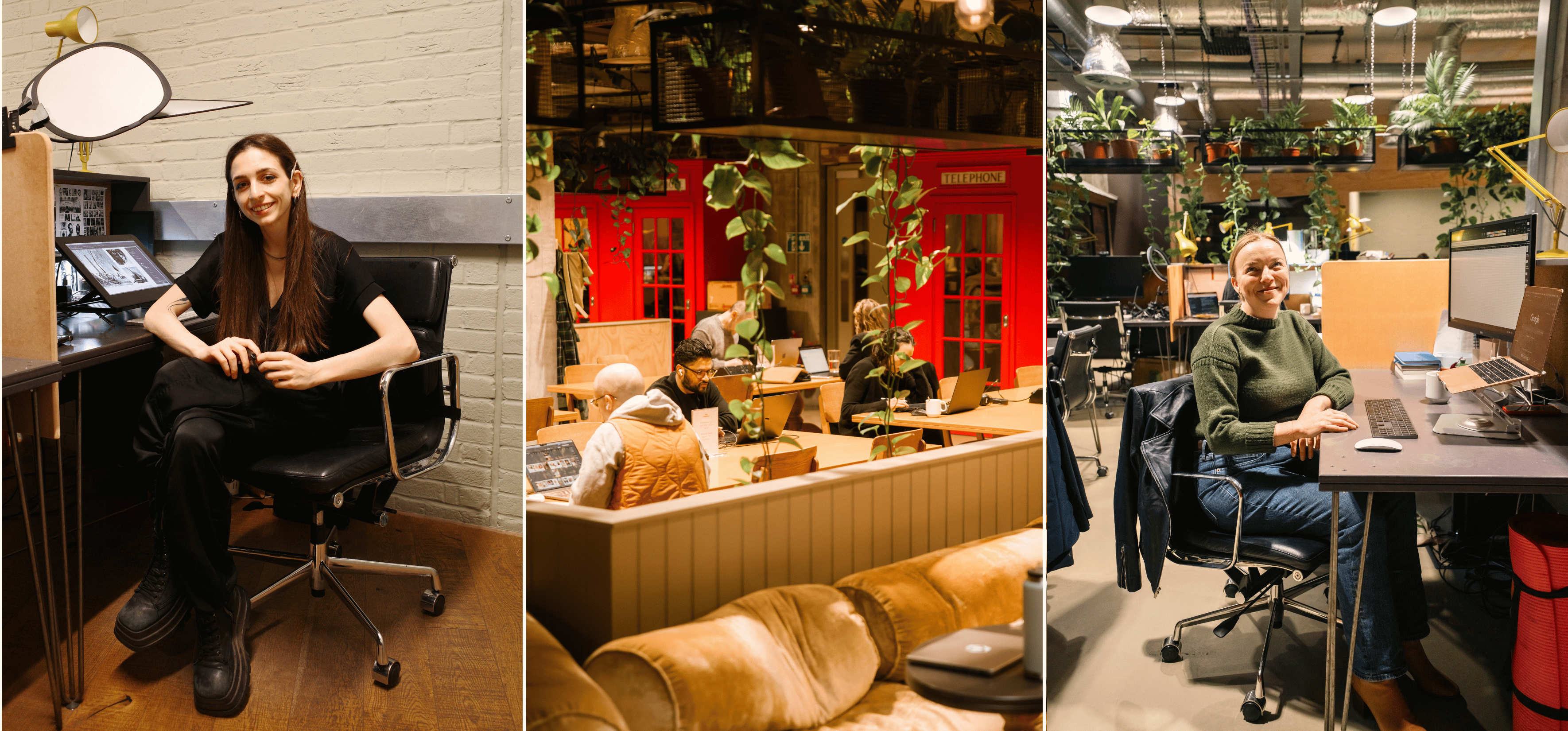
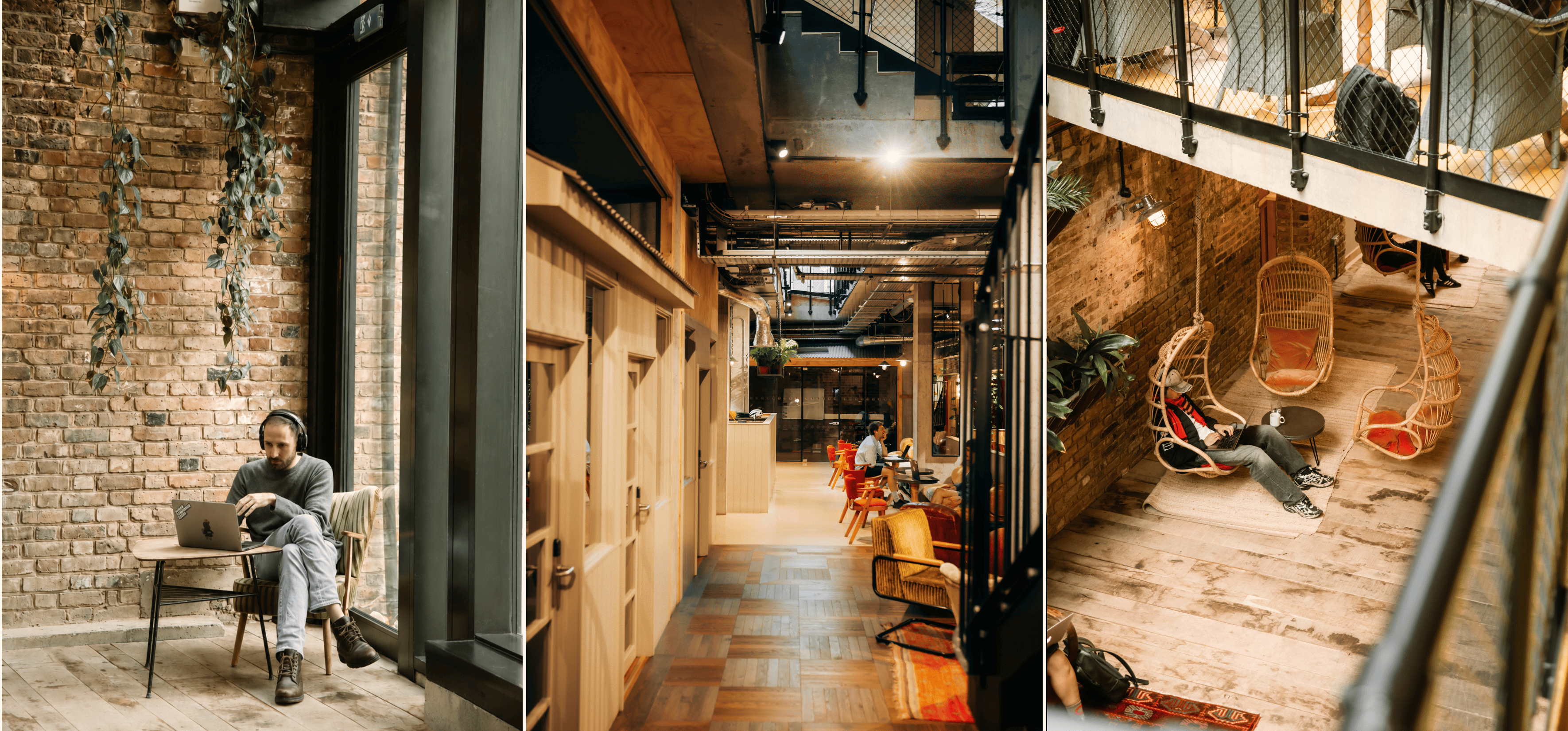
The same thinking shapes the building. Every design decision starts with how it feels to use, not just how it looks. It has to look good, of course, but utility comes first. It also has to be better than home, almost aspirational but never corporate: a place you want to be in rather than need to be in.
Revenue doesn’t make our decisions for us, and the library is the clearest example. In a busy workspace, sometimes you just have to get away from it, so we gave up a lettable office to create a library for everyone. Members can find company or get their heads down, depending on their mood and their work. Nobody should have to perform sociability to feel they belong.
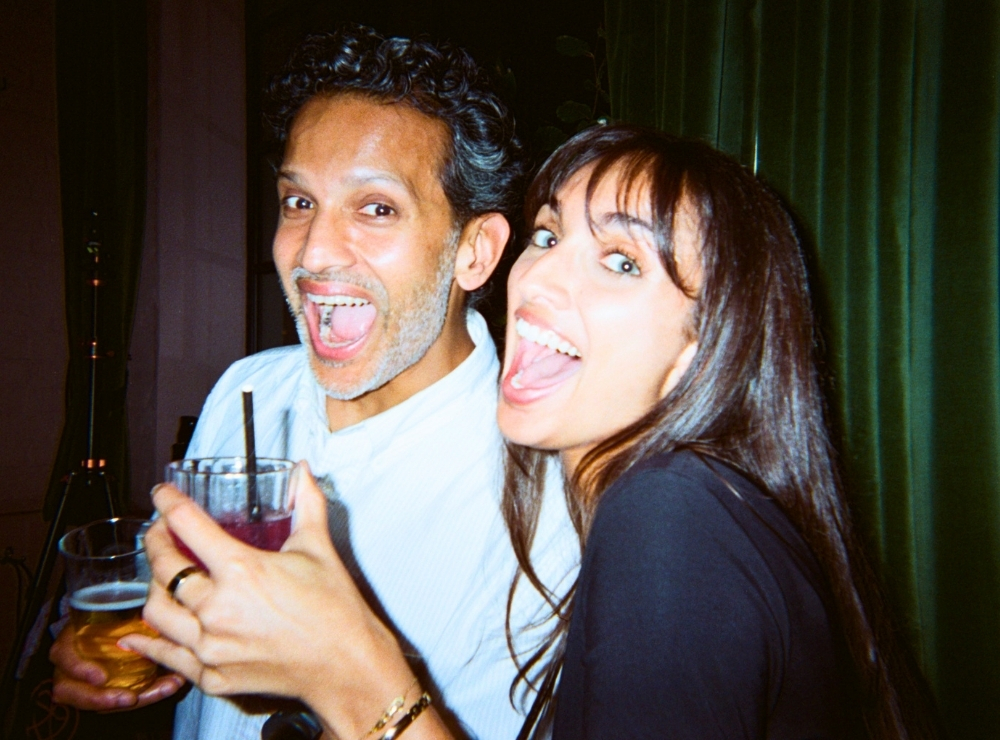
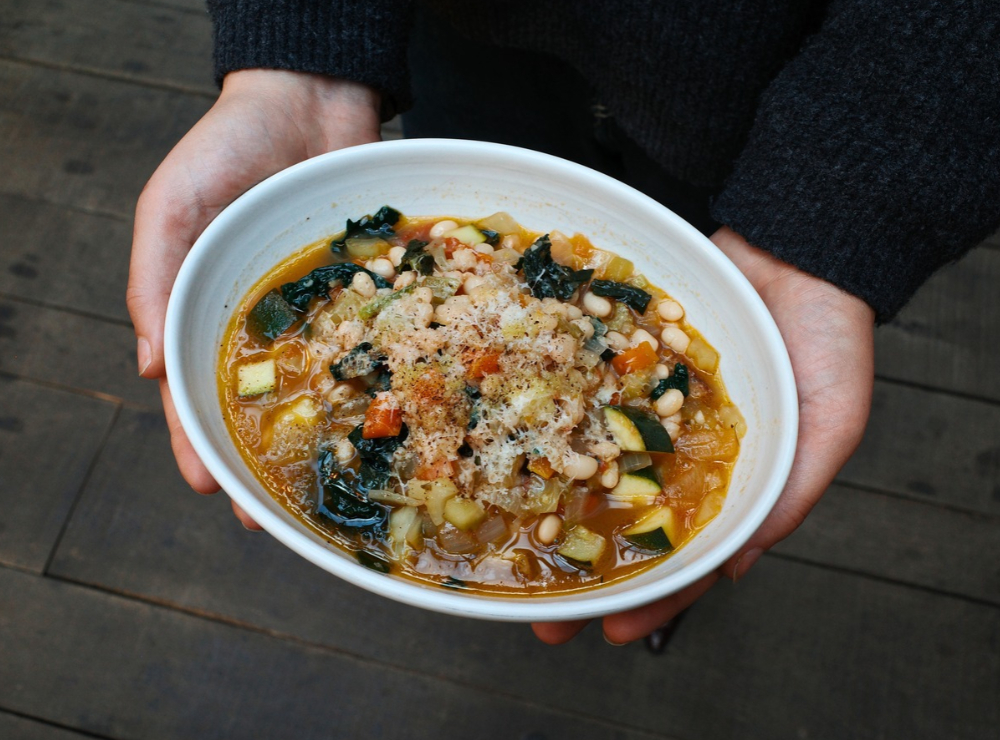
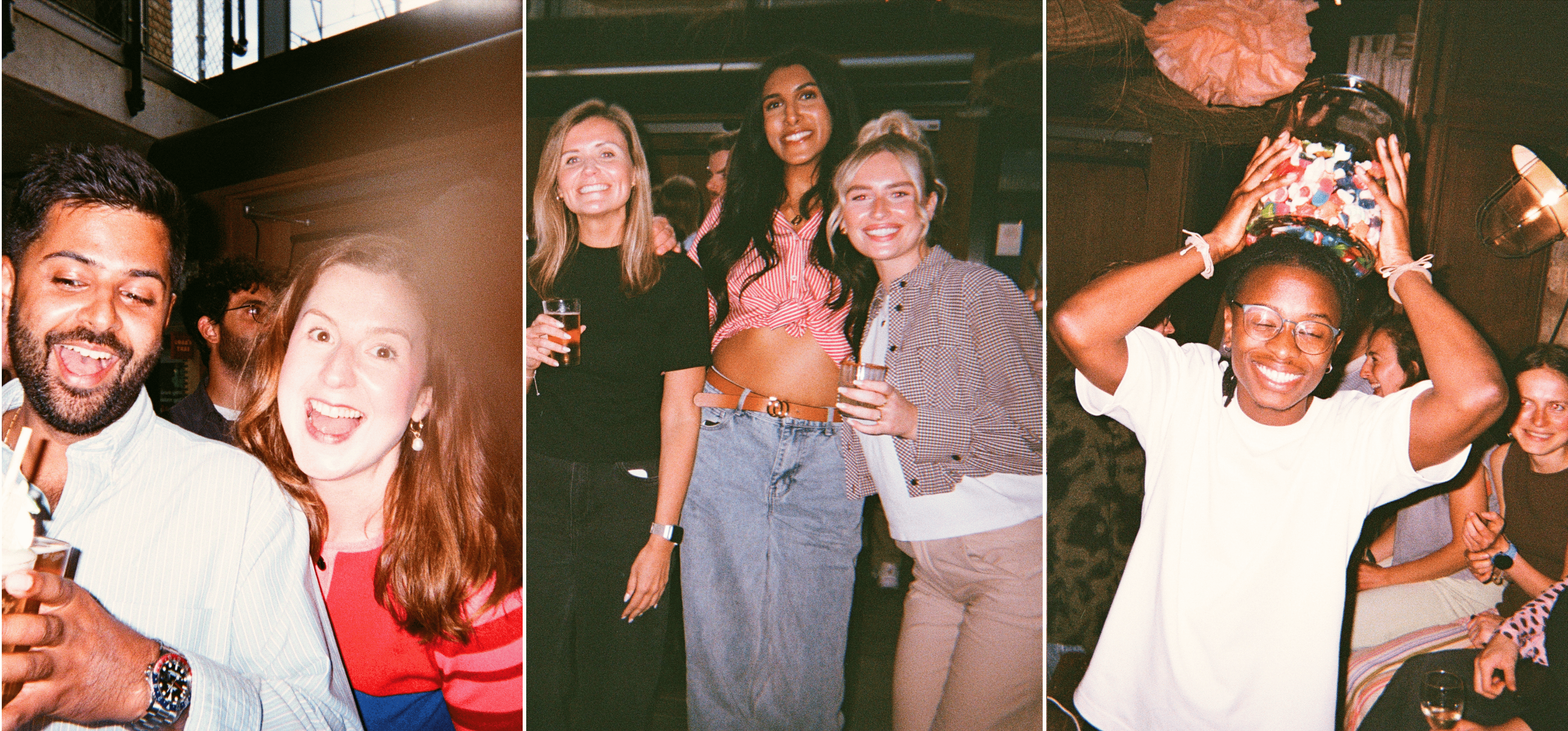
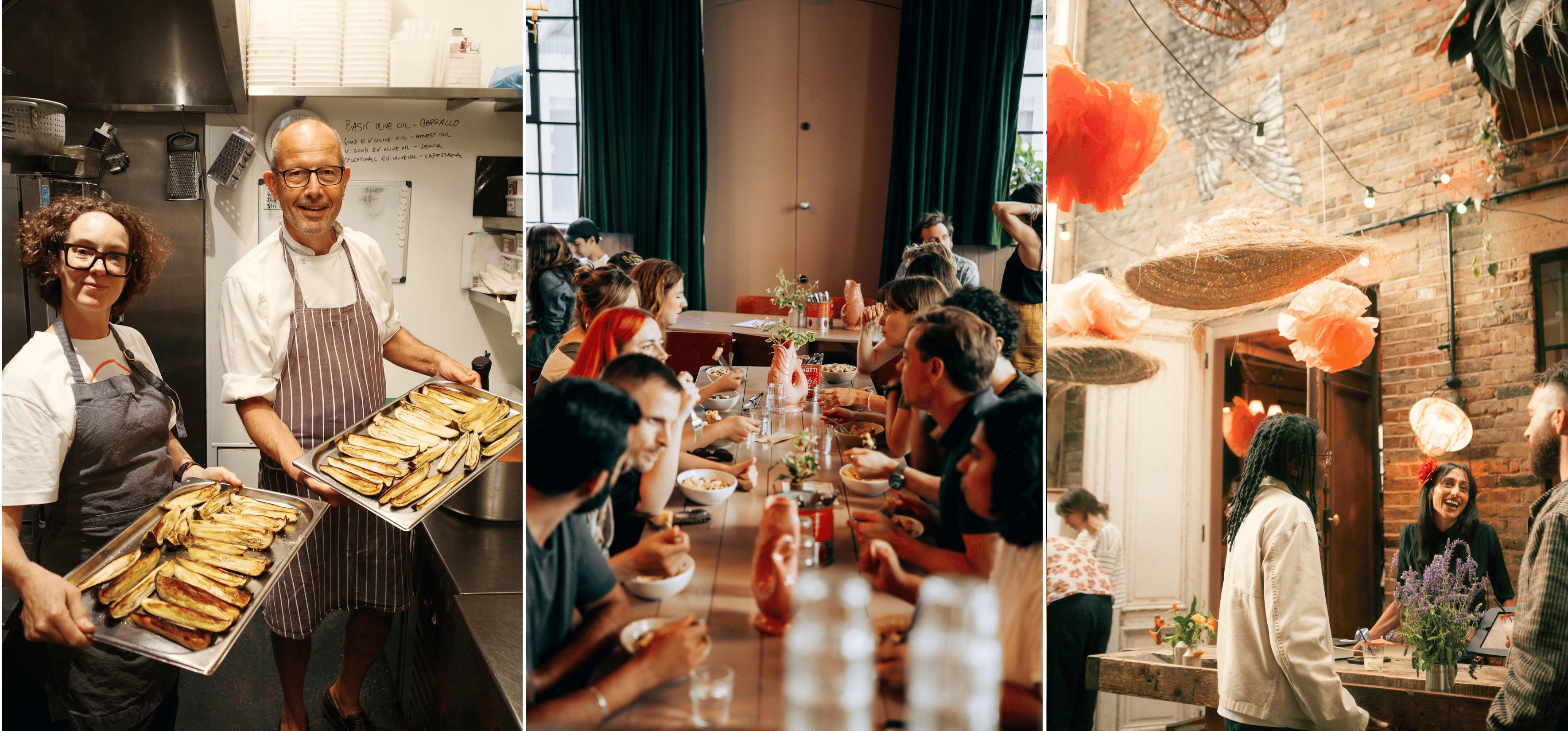
Then there are the parties and Workers’ Lunch, both of which we run ourselves. We serve the beer, make the food and involve the whole team; everyone works the party, and their job is to have a good time. Lunch is free, but it sums up the spirit of The Fisheries: we make it, we serve it, and we ask you to get round a table and talk, in person. You have to be here to book, and you can only book for yourself. It is deliberate, not contrived.
Protecting what grows
The example that taught us most is one we got wrong. When we first opened, we sold day passes. It lasted less than two weeks.
We realised we had to protect the community that was building, and someone coming in for a day who you never saw again just didn’t fit. They didn’t care, made no effort to connect with anyone and then left, often with a toilet roll, a bag of coffee and some oat milk in their bag. It was like being a public lavatory.
Psychologists would say we had stumbled on something. A group needs a boundary to feel safe enough to be open inside it, and nobody can be known by people who are only passing through. Our approach to membership reflects a strong belief that community cannot be built with transience. We understand the appeal of flexibility, but we’re always mindful of protecting longer-term relationships. Community takes familiarity, and familiarity takes time. We would rather have fewer sales and committed members than a constant flow of people who never have the opportunity to become known.
What members make
But the life of the place belongs to the people in it. We see it when someone takes a new member around a party and introduces them to people, or when members start their own running club, as they have recently done. We provide the setting; they make it theirs.
That is why we care so much about the word community. It describes relationships that people build, the responsibility they take for one another and the feeling of having found their place. We consider it a great privilege to look after our members, to be part of their journey and their lives, for however long they choose to stay with us.