Words by Hugo Warner - Founder
"People want to be looked after. That will never change"
When people talk about hospitality, they often mean food. I love food, and it is an important part of what we do, but hospitality is not simply the act of selling somebody lunch. To me, it is like a huge bear hug: putting your arms around people and making them feel valued, safe and at ease. It is one of the most human things we do.
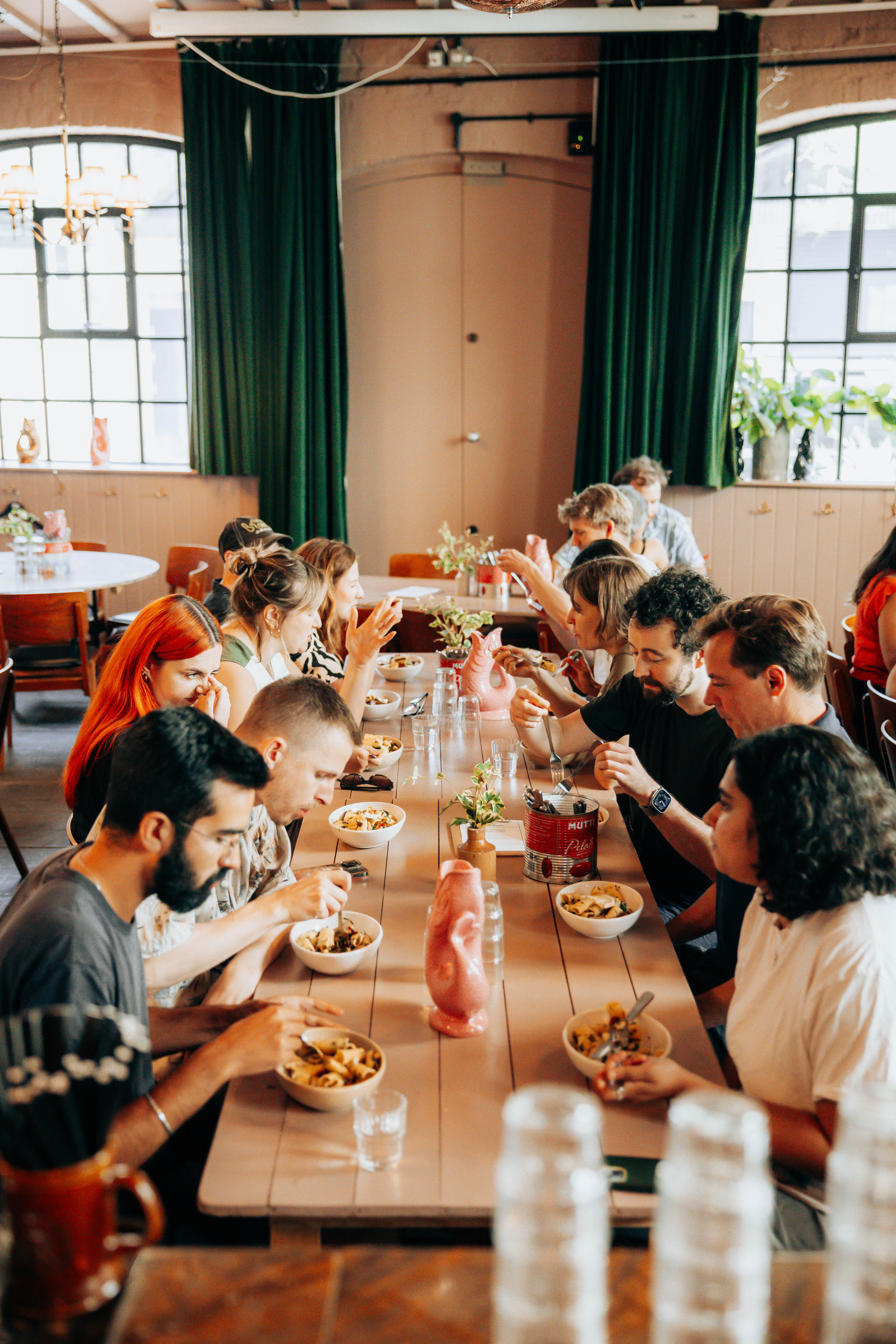
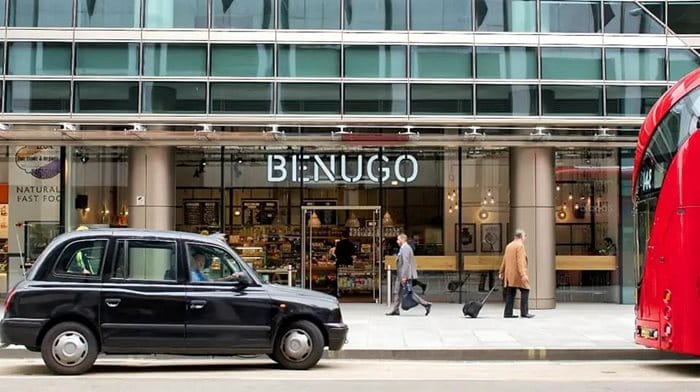
Running Benugo taught me that. It also taught me to look at how people behave, rather than simply asking them what they want. We operated cafés in a number of corporate headquarters and they would invariably become the most popular part of the building. They were the places where people escaped their desks, bumped into colleagues, exchanged ideas or simply spent some time around other human beings.
At around the same time, we opened Benugo Bar & Kitchen on the Southbank. During the day, it quickly became a hub for freelancers and people holding informal meetings. In the evening, many of the same people stayed or returned to meet friends. Nobody had designed it as a workspace, but that was how people naturally chose to use it.
People were telling us, through their behaviour, that the way they wanted to work was changing.
After I left Benugo, I naturally began wondering what I should do next. The answer, when it came, felt like a progression of everything I had already learned: instead of operating the café within somebody else’s workplace, why not create the workplace itself?
I wanted to take the best things about a well-run corporate headquarters, the facilities, support and feeling that somebody had thought about your day and make them available to individuals and micro-businesses that could never justify those things on their own. I wanted to offer corporate standards without the corporate mentality.
I suppose, fundamentally, I wanted to fight for the small guy.
Starting and growing a business can be exhilarating, but it can also be extremely tough and surprisingly lonely. That does not necessarily disappear as the business becomes more successful. Being around other people going through their own version of the same journey, whatever their particular occupation, is enormously valuable. It is good to talk, but it is equally important to be able to listen.
The workspaces I saw at the time did not offer much of that. They were often bland and sterile, created principally by architects, workplace designers and property people. Even now, when hospitality has become one of the most frequently used words in the workspace industry, it is often confused with amenity.
Amenities matter, of course, but they can be bought from a catalogue. Hospitality lives in the thousands of small details that make somebody feel genuinely welcome. One of my favourite expressions is that service is black and white, while hospitality is technicolour. It is very difficult to create that feeling if you do not understand the difference in the first place.
I also wanted to turn the traditional idea of the landlord on its head. The word itself suggests a relationship in which the landlord is lord and master of the property and the tenant should somehow be grateful to occupy it. I wanted the people working at The Fisheries to feel like customers—or even friends—as they might in a great restaurant.
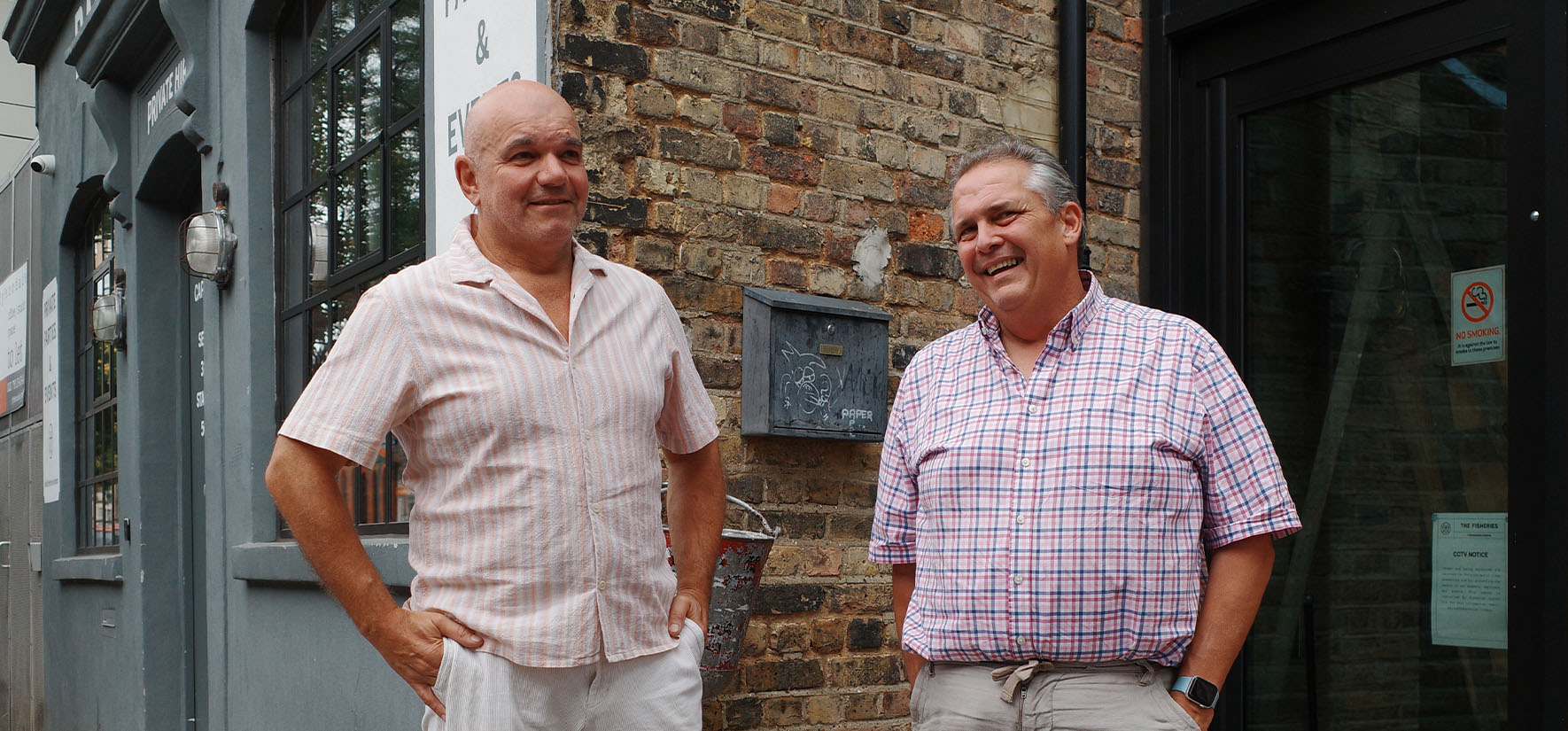
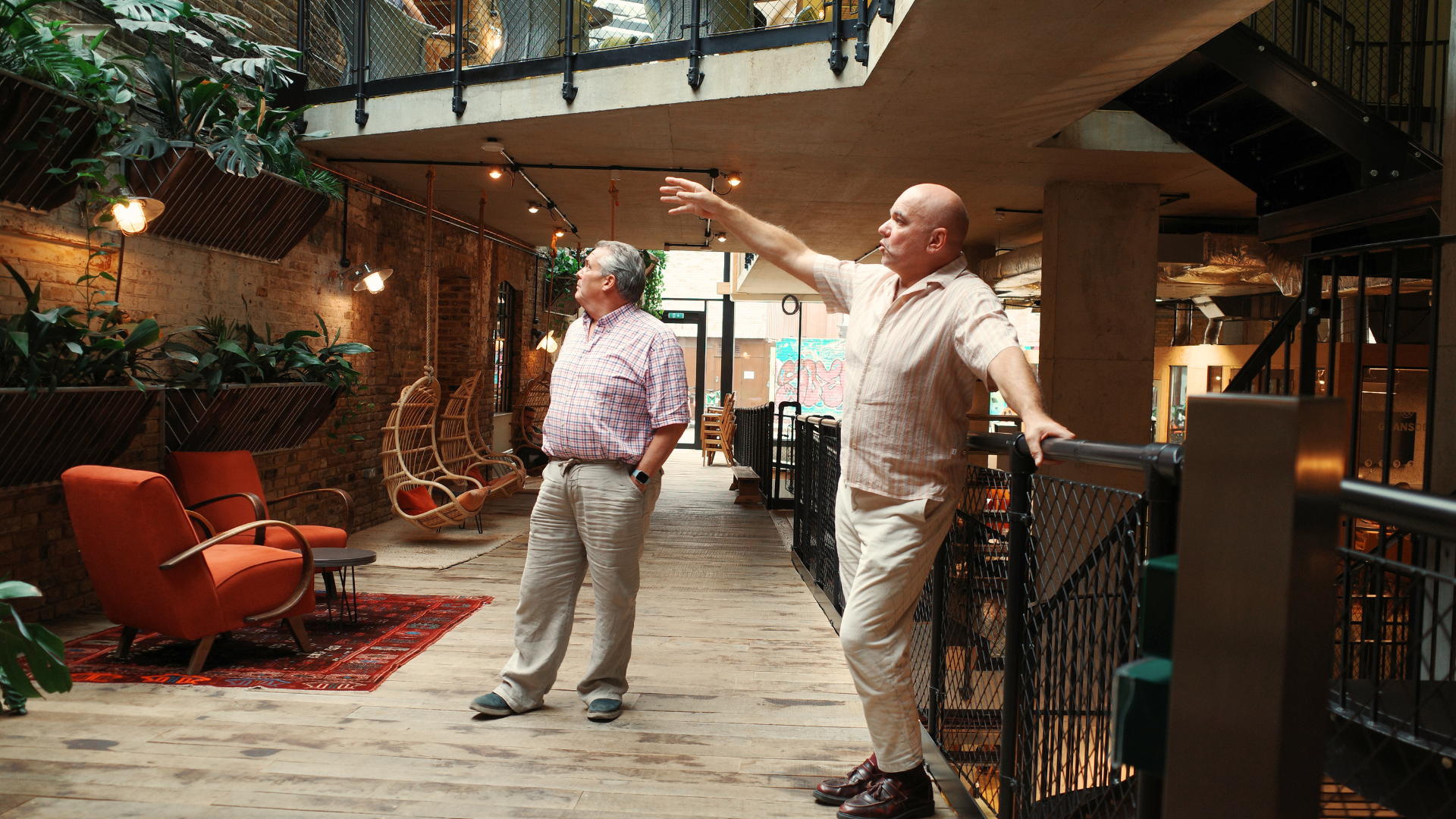
The original idea for The Fisheries was mine, although what it has become is very much the product of my partnership with Steve. He brought structure to our sales and an enormous amount of enthusiasm. He may not come from a conventional hospitality background, but it is certainly in his blood. He is a natural bon viveur and loves being amongst people, while I am often happier sitting slightly in the background.
I am a creative, with all the scars to prove it. Steve is much more measured. You need both.
There may even have been a restaurant napkin involved somewhere. I have always used napkins and the backs of envelopes for ideas—although never fag packets, as I don’t smoke. We sometimes describe The Fisheries as the analogue answer to a digital world, so perhaps it is fitting that the idea began with a pen and a scrap of paper. I am fiercely non-corporate by nature. You will not find Steve and me sitting in a boardroom very often.
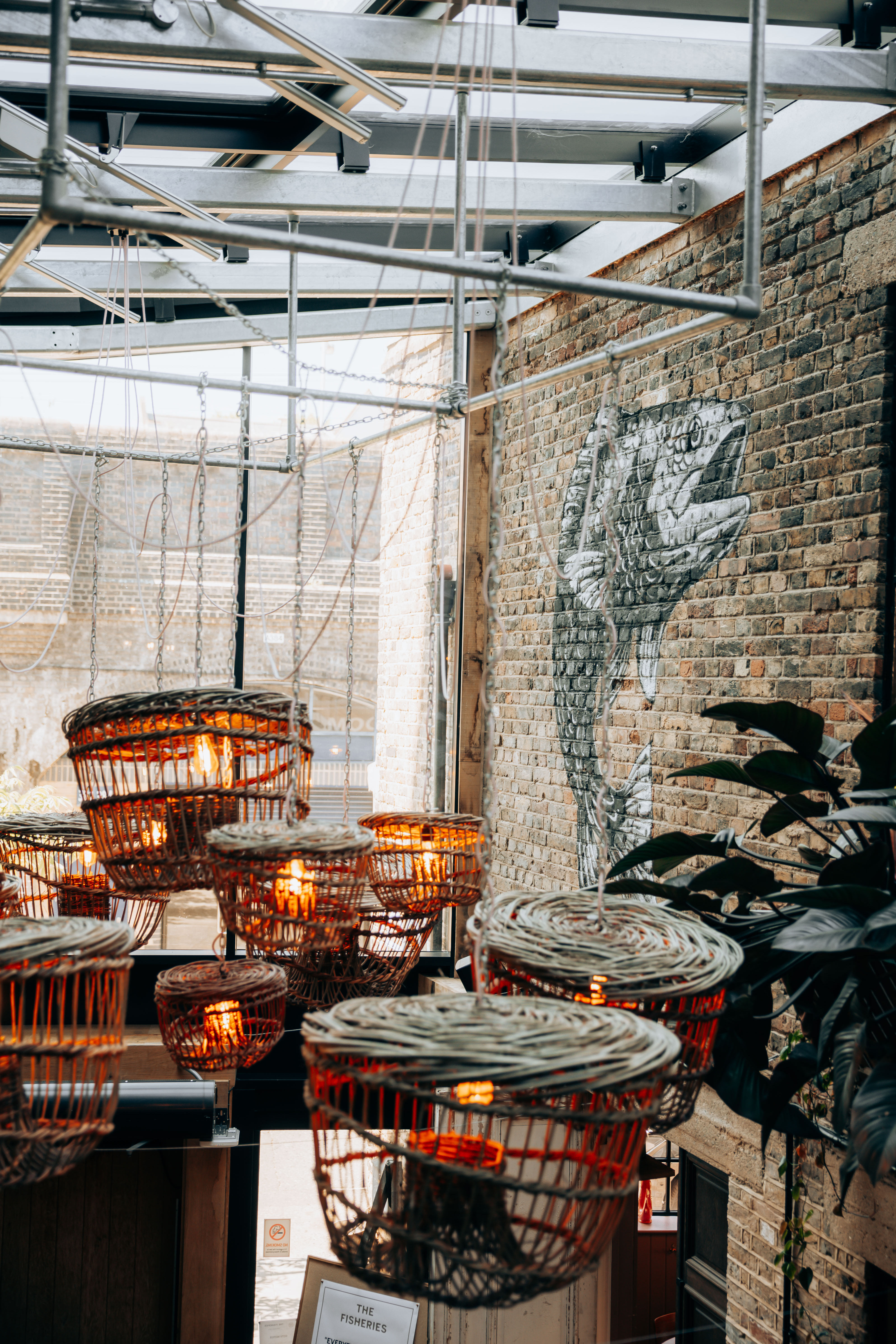
The building itself was formerly a fish-processing plant, which is where the name came from. We retained and renovated the old part and built the rest from the ground up. When I told people what I was planning, several said that it could never work outside central London. I have always rather enjoyed proving people wrong.
Over time, the name has come to mean much more to us than the building’s history. There is “gone fishing”, “plenty more fish in the sea” and, most importantly, the idea that if you teach someone to fish, you help feed them for a lifetime. That last thought is particularly relevant to how we want to develop and support our own team.
Every part of the building was designed around how people actually behave. Around half of The Fisheries is shared space, which is an extraordinary proportion for a commercial building. We deliberately mixed the common and private areas so that nobody would feel hived off or segregated because of the type of membership they happened to have.
Each part of the building also feels different. People need to move during the day and, when they do, they should feel that they have genuinely changed location. It keeps the mind active and stimulated. We created numerous opportunities for those unplanned “watercooler moments” and built our operating structure so that our team could spend time interacting with members rather than being hidden away from them.
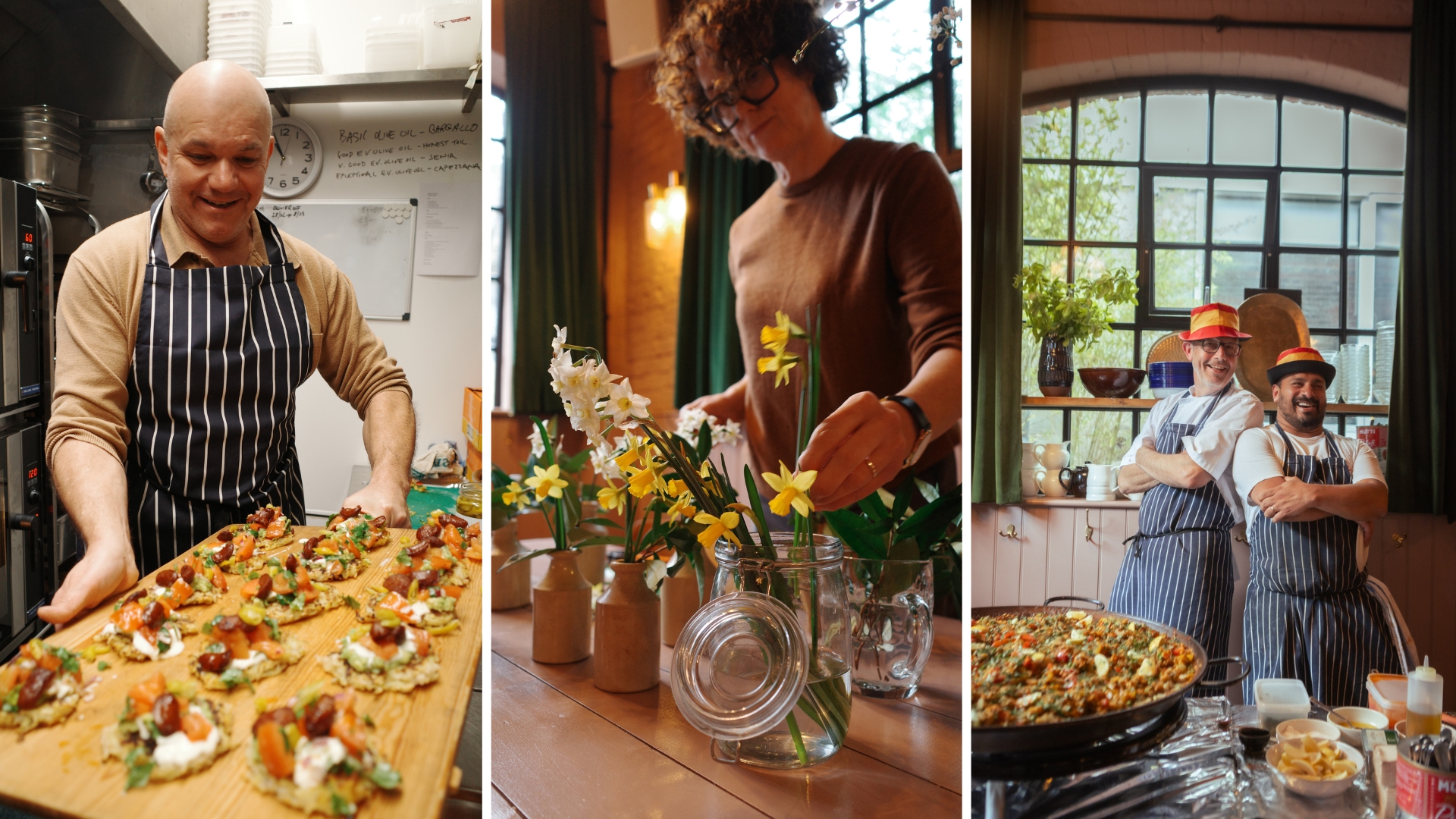
Taking care of people also means giving something of yourself.
On a Friday, somebody from the team might bake a cake or make iced tea for everyone. We could buy those things in, but anybody can do that. The team takes pride in making something, and our members recognise that it has come from the heart. That is what great hospitality does. We think endlessly about the experience people have here, and the rest follows.
I wanted arriving at The Fisheries in the morning to feel a little like visiting your best friend. The clearest indication that we have occasionally achieved that is that people sometimes cry when they leave. We are only ever one part of somebody’s journey, not the whole thing. It is a privilege to be part of it, however long or short their time with us might be. We have a small opportunity to make an impact on somebody’s life, and we should not waste it.
For our fifth birthday, we invited a number of former members back to celebrate with us. We half expected polite excuses, but they all came. There can be few greater compliments than people choosing to return to their old workplace simply because they loved being there.
Covid did not change the philosophy behind The Fisheries; it confirmed it. People need to be around other people. Working from home can be useful, but spending too much time working alone is not healthy for most of us, even those who do not think of themselves as particularly sociable.
I believe in work, and I believe it should be enjoyable. Of course, it can also be stressful, difficult and, at times, unpleasant. But work is an important part of being human. It can provide purpose, identity and connection. If it occupies such a large part of our lives, it should not have to take place somewhere uncaring.
One of our founding principles was that you should not need to work for a large corporation to enjoy a brilliant working environment. That idea has matured over time. Honestly, I now think many large corporations would love to have what our members have at The Fisheries.
The Fisheries did not begin with the question: “How can we make money from this?” It has to work as a business, of course, but that was never the starting point.
The starting question was much simpler: “How can we make people’s lives better?”